
Why I Listen.
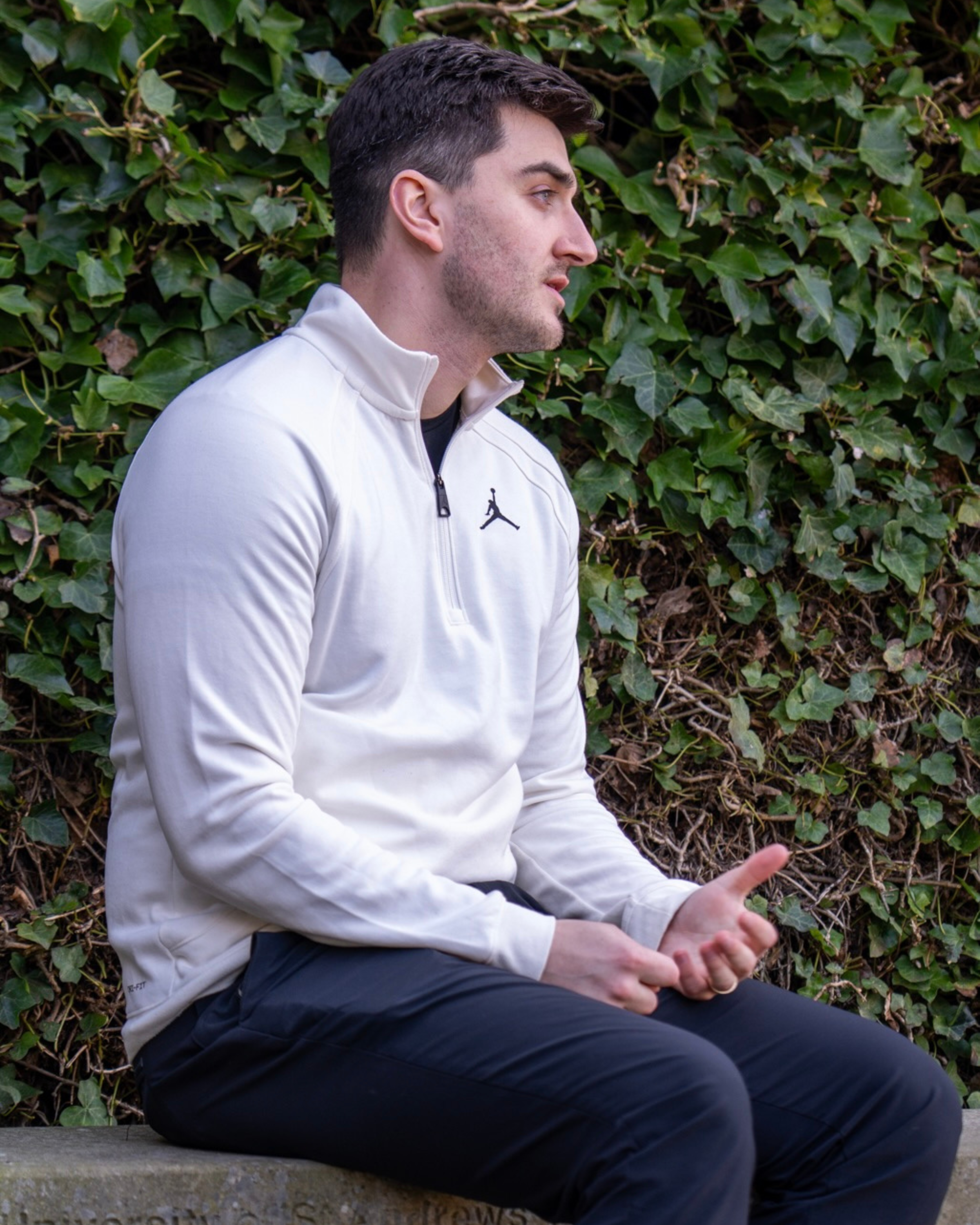
Dr Harvey Smith | Sport and Exercise Psychologist | Glasgow
Listening
It is not the answer most people expect when they ask what a session with a sport psychologist looks like. They imagine techniques being handed over. Strategies discussed. Breathing exercises. Mental skills toolkits handed over before competition or performance.
Those things happen, and are important parts of the work… But they should not be where things start.
Before the strategy, there is the person
The first session I have with any athlete or performer is rarely about performance. It is about understanding. What drives them. What gets in the way. What they say to themselves when things go wrong, and whether they have ever stopped to question whether that voice is telling them the truth.
Because the presenting problem is (almost) never the whole story.
A performer comes in talking about nerves before they compete or go on stage. Underneath that is usually something more specific. A fear of judgement that has been there since they were young. A habit of self-criticism so ingrained they do not even notice it any more. A standard they hold themselves to that no result ever quite meets.
Handing someone a technique before they understand themselves is like giving someone a map before they know where they are starting from. It looks useful. But without that starting point, it will not get them where they need to go. The strategy has to emerge from somewhere real. Getting to that place takes conversation.
Listening is the work
There is a tendency in performance environments to value action. To want to move quickly toward solutions. Athletes and performers are doers. Coaches want progress. Everyone is busy. Everyone wants progress.
But the research on what makes helping relationships effective is fairly consistent on this point. The quality of the therapeutic alliance, the trust, the sense of being genuinely understood, is one of the strongest predictors of positive outcomes, regardless of the specific techniques used (Tod, 2022).
Rogers (1957) argued that the core conditions of any effective helping relationship, empathy, unconditional positive regard, and genuineness, are not simply add-ons to the work. They are the foundation of it. The relationship is not just the container for the work. In many ways, it is the work itself.
What that means in practice is that I spend a lot of time listening before I ever suggest a strategy. Understanding the person, not just the presenting problem. What are they carrying into the room? What does performance mean to them? What are they afraid of, and what do they actually want?
That kind of conversation takes time. It takes patience. It requires a willingness to sit with uncertainty rather than rush toward an answer.
That is not the slow part of the process. That is the whole point of it.
What changes when someone feels understood
Something shifts when a performer feels genuinely understood. Not managed. Not advised at. Understood.
They become more honest. More curious about themselves. More willing to examine the patterns that have been quietly running in the background for years. From that place, the strategies and techniques that follow actually land. They make sense to the person using them because they emerge from a real understanding of what that person needs.
Skills without self-awareness tend not to stick.
Performance and wellbeing are not separate conversations
There is still a tendency to treat performance enhancement and psychological wellbeing as distinct concerns, or even competing ones. That is not how I see it.
The athletes and performers who sustain high performance over time are rarely the ones who simply work the hardest. They are the ones who understand themselves well. Who have developed an honest relationship with their own strengths and limitations. Who know what they need and how to ask for it. That is both a performance asset and a marker of genuine psychological health.
The goal of this work is not to produce athletes who feel better temporarily. It is to help performers understand themselves well enough to find their own way back when things get difficult. That starts with listening. That starts with a conversation. A real one.
If you are curious about what that looks like, I offer a free 15-minute consultation. No commitment. Just a conversation.
📞 0141 673 3973
🌐 drharveysmith.com
Give me a shout.
This post draws on peer-reviewed research. Key sources are listed below.
Andersen, M. B. (Ed.). (2000). Doing sport psychology. Human Kinetics. ISBN: 978-0736031882
Rogers, C. R. (1957). The necessary and sufficient conditions of therapeutic personality change. Journal of Consulting Psychology, 21(2), 95–103. https://doi.org/10.1037/h0045357
Tod, D. (2022). Sport psychology: The basics (2nd ed.). Routledge. https://doi.org/10.4324/9781003141815