
Dr Harvey Smith | Sport and Exercise Psychologist | Glasgow
Why the Same Match Can Mean Different Things
Two people can walk onto the same court, play the same match, and leave with completely different experiences. One is delighted with how they played. The other is frustrated, even though the scoreline was the same for both. It is easy to assume that if two people are in the same game, they want the same things from it. Often they don't.
Same game, different reasons
Ask a group of athletes why they play and you will get very different answers. For some, it is about getting better, learning something new, or enjoying the feeling of the game. For others, it is about winning, proving something, or being seen as good. Neither is wrong, and plenty of people have a bit of both.
Psychologists describe these as task and ego orientations. In simple terms, one is about measuring yourself against your own progress, and the other is about measuring yourself against other people. The difference matters because it changes what a good day looks like. A player focused on improving can be happy after a loss if they played well. A player focused on winning may feel a win was empty if they didn't play their best.
Where it causes problems
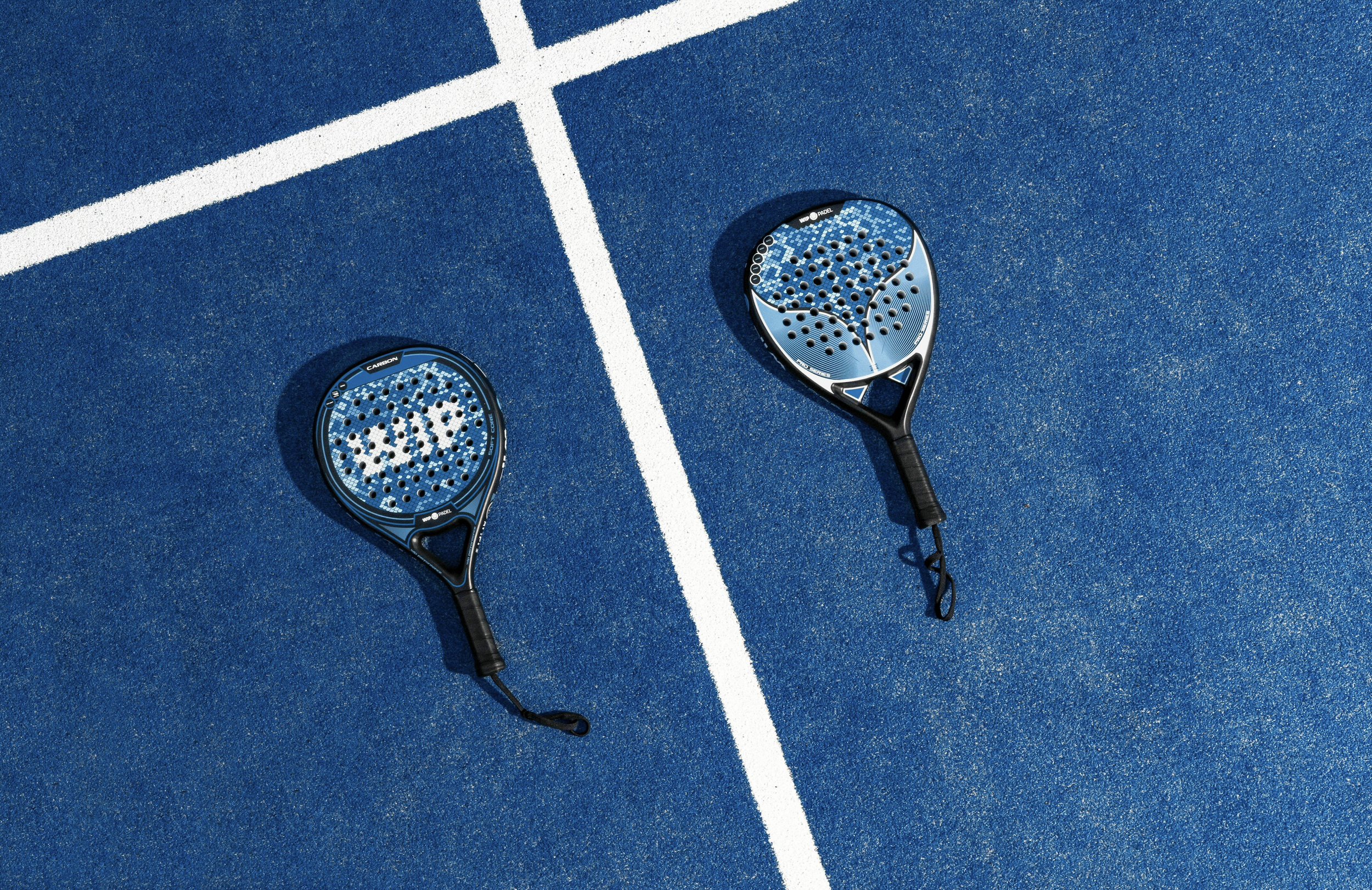
Problems tend to show up when two people with different reasons are working together. Think of two padel partners on a court. One wants to enjoy the rallies and try new shots. The other wants the points and gets frustrated by every risk. Both are trying, but they are not playing the same game.
The same thing happens between teammates, and between a coach and an athlete. A coach driven by results may push hard, while an athlete who needs to feel in control of their own development pulls away. Research on coaches and athletes suggests that when coaches support athletes' sense of choice, competence, and connection, motivation tends to be stronger .
Research also suggests that how well a coach's style matches what an athlete prefers, for example being told what to do versus being involved in decisions, shapes how the athlete experiences the coaching.
Nobody in these situations is doing anything wrong. They are just working from different starting points, and neither has said so out loud.
What helps
The most useful first step is simply finding out what the other person wants from the game. That means asking, and not assuming. What does a good session look like for you? What are you hoping to get out of this? What makes it feel worth it?
From there, the work is finding where the two goals overlap and being honest about where they don't. Sometimes it means agreeing on what to prioritise in a given match or season. Sometimes it means a coach adjusting how they give feedback, or a player explaining why they need more room to experiment.
It is rarely about one person changing to fit the other. It is about both people understanding the game the other one is playing. That is a skill, and like most skills in sport, it can be trained.
It's not a problem to solve
Having different reasons for playing is not a flaw in a partnership. Often it is what makes it work, because one person's drive and another's enjoyment can balance each other. The trouble starts when the differences go unspoken and each person quietly assumes the other is on the same page.
If this resonates with where you are at right now, whether as a player, a partner, or a coach, I am always happy to have a conversation about what it might look like to work on this together.
I offer a free 15-minute consultation. No commitment. Just a conversation.
📞 0141 673 3973
🌐 drharveysmith.com
Give me a shout.
This post draws on peer-reviewed research. Key sources are listed below.
Knoblochova, M., Mudrak, J., & Slepicka, P. (2021). Achievement goal orientations, sport motivation and competitive performance in beach volleyball players. Acta Gymnica, 51, Article e2021.016. https://doi.org/10.5507/ag.2021.016gymnica.upol
Lin, C.-W., Lai, B.-H., Lee, S.-S., Tsai, I.-Y., & Lin, Y.-S. (2026). Match or mismatch? The influence of athletes' leadership style preferences on perceived coaching effectiveness in sports. Physical Culture and Sport. Studies and Research, 68–82. https://doi.org/10.2478/pcssr-2026-0006reference-global
Mageau, G. A., & Vallerand, R. J. (2003). The coach–athlete relationship: A motivational model. Journal of Sports Sciences, 21(11), 883–904. https://doi.org/10.1080/0264041031000140374